
How to build a graduate recruitment strategy that Gen Z actually responds to
By Chris Woodward-Jones, CEO, Vizzy
Here’s a number worth sitting with. UK employers now receive an average of 140 applications for every graduate vacancy, the highest the Institute of Student Employers has recorded in three decades. In retail, FMCG and tourism, it’s 290. On paper, that looks like an employer’s market: pick of the crop, take your time.
In practice, most graduate recruitment strategies are quietly losing the A-players before a human ever sees them. We’ve reached a strange point where candidates use AI to write their applications and employers use AI to screen them; the first interaction in the process is increasingly one machine reading another.
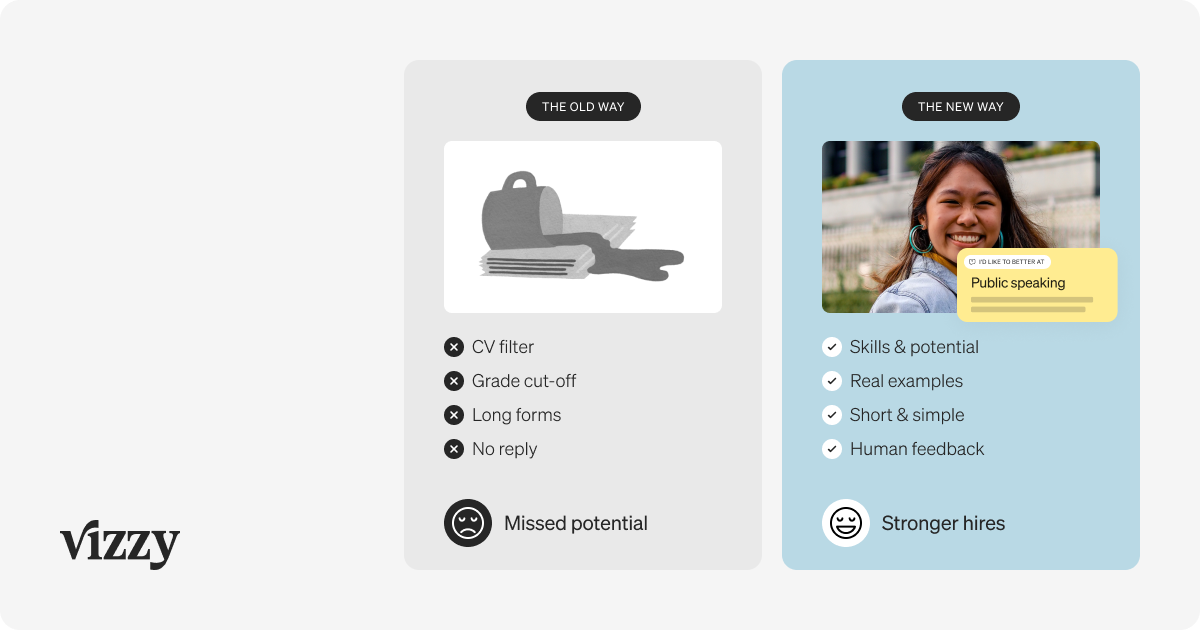
The filters were built to cope with the high volume. CV screens, grade cut-offs, and long application forms are removing exactly the candidates the strategy claims to want, because every application now arrives equally polished, and the signals employers lean on get weaker by the year.
A graduate recruitment strategy isn’t a calendar of campus events and a careers page. It’s a set of decisions about who you let through and how you decide. Most of those decisions were made for a generation that no longer applies the way this one does.
What a graduate recruitment strategy has to do in 2026
Strip it back, and the strategy has four jobs: attract the right graduates, assess them accurately, convert the ones you want, and keep them once they start. Every tactic, the events, the ads, the assessment centres, are only as good as how well it serves those four jobs.
The assessment job is being done by tools that measure the wrong thing, and the attraction job is being done in channels Gen Z has already left. Fix these two, and the rest of the graduate recruitment strategy gets easier.
Why the old strategy is losing Gen Z
Three things have changed underneath the traditional grad playbook.
Gen Z applies differently and opts out of processes that feel impersonal
This generation is comfortable showing who they are online, but allergic to processes that flatten them into a CV and a covering letter and then go silent. And going silent is the norm: more than half of candidates are now ghosted after applying, and close to 70% of rejected candidates get no feedback at all. Combine that with long forms, and you lose the candidates with the most options first.
The CV itself has stopped being a reliable signal
Even the employers using it don’t trust it: nearly half of ISE members say they’re concerned that candidates’ use of AI is misrepresenting their true abilities, and 79% are redesigning or reviewing their selection process because of it.
When everyone can generate a polished CV and covering letter in less than thirty seconds, the polished CV tells you nothing. Worse, screening on it filters out capable people for the wrong reasons. Harvard Business School and Accenture found 88% of employers admit their automated screens reject qualified candidates who don’t match the exact job wording.
The brand-budget arms race is a losing game for most employers
If your strategy is to out-spend and out-prestige the big graduate brands for the same 2:1-from-a-Russell-Group candidates, you’re competing for the narrowest, most-contested slice of the pool. The employers pulling ahead are widening the pool instead, and they have the cover to do it.
Fewer than half of major UK graduate recruiters now require a 2:1, down from 76% a decade ago; PwC dropped its 2:1 requirement entirely to stop missing talent.
How to build the Gen Z-proof graduate recruitment strategy
Here’s how I’d build a graduate recruitment strategy now, in the order in which the decisions actually matter.
1. Start from the candidate, not the funnel
Map where your target graduates genuinely spend attention and how they decide where to apply, which, for Gen Z, increasingly means social and peer signals over a corporate careers page. Build the top of your funnel where they already are, and make the first interaction feel like a person, not a portal.
2. Rethink what you ask for
This is the highest-leverage change in the whole strategy. Replace the “polished CV plus 2:1” gate with ways for candidates to show skills, projects and personality directly. You’ll widen the pool, blunt the AI-CV problem, and, counter-intuitively, make your shortlist easier to trust, because you’re looking at evidence instead of formatting.
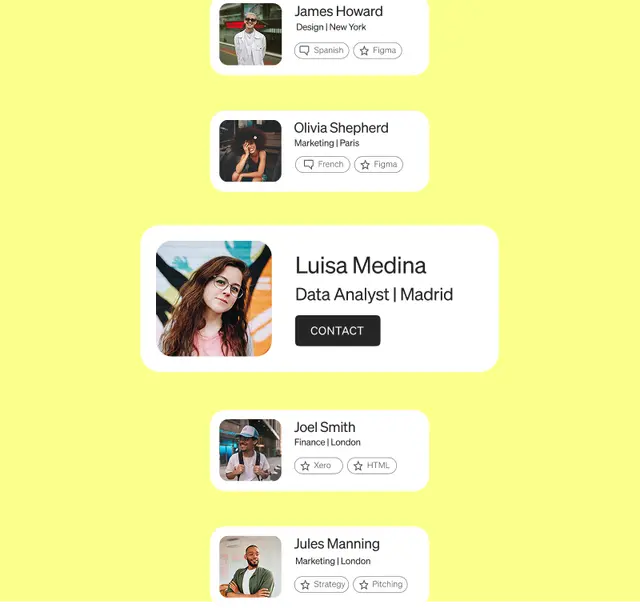
This is exactly what Vizzy for Business was built to do: give every applicant a content-rich profile that shows who they are and what they can do, so your team assesses potential at the top of the funnel.
3. Assess for potential, not pedigree
Most graduates have little formal experience, so measuring “experience” just measures luck and background.
Decide what actually predicts success in the role. For example, how they think, learn, communicate, and assess that consistently for everyone. It’s fairer, and it’s a better predictor. Worth remembering that ISE employers rate former interns as more “work-ready” precisely because they’ve shown what they can do, not what they’ve written down.
4. Design a candidate experience that markets you
Every applicant is a future customer, a future reapplicant, and a voice to their peers. Fast, human, respectful communication, including the rejections. The brands that ghost are training next year’s best candidates to ignore them.
5. Measure what matters
Pick metrics that tie to outcomes: diversity of pipeline (is the net actually widening?), quality-of-hire, offer-acceptance, and retention at twelve months. Application volume and cost-per-hire are easy to count and easy to mislead with. If your strategy is working, the shortlist gets better and more varied, not just bigger.
What good looks like
Picture two employers hiring from the same 2,000 graduates. The first runs a CV-and-grades screen, cuts to 200, and assesses them on an application that most candidates rushed or outsourced to AI.
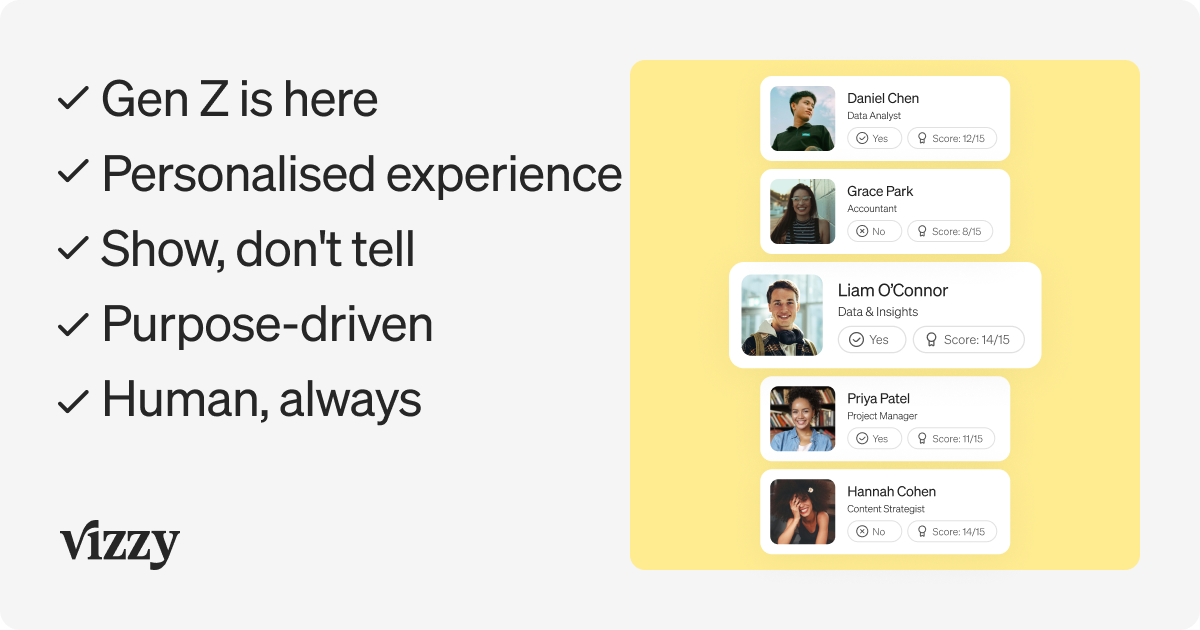
The second asks all 2,000 to show how they think and what they’ve made, surfaces the 200 with the highest intent and strongest demonstrated signals, including people the first employer’s filter would have binned, and assesses them on evidence.
A year later, the second employer has a more capable, more diverse cohort and a candidate pool that speaks well of them. This is the pattern we see with the brands using Vizzy to hire early-career talent.
Vizzy has transformed how we see talent and gives us insights into candidates I have never seen before. I could read their Vizzys all day!
Same applicants. Different decisions about who to look at and how.
The shift worth making
The graduate recruitment winners in 2026 won’t be the ones with the biggest brand or the slickest assessment centre. They’ll be the ones who stopped hiring the best CVs and started seeing the most potential, because in a market of 140 applicants per role and AI-written everything, ideas, creativity, and potential are the real signals worth competing on.
Building or rebuilding your graduate strategy? See how Vizzy helps you hire early-career talent on more than a CV.
Related stories
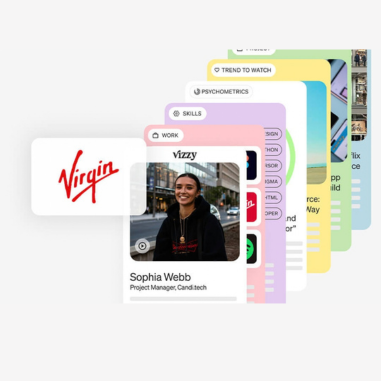
Why Virgin Group ditched traditional CVs in favour of ‘Vizzy’ digital profiles
By Peter Crush for HR Grapevine Virgin Group has partnered with technology company, Vizzy to give jobseekers a chance to give their…
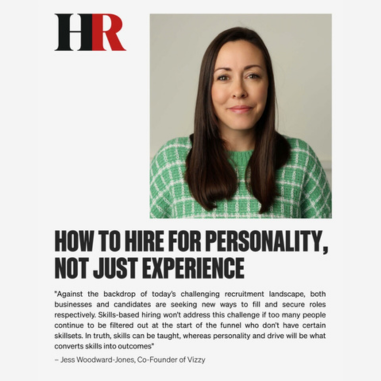
HR Magazine: How to hire for personality, not just experience
By Jess Woodward-Jones, co-founder of Vizzy for HR Magazine Talent can’t be judged by work experience alone. Let’s give personality more consideration…

How Hiring Campaigns Work on Vizzy
Not much in the application space has changed… until now. In this quick walkthrough, co-founder of Vizzy, Joe, shows how dynamic and…